INDEPENDENT FASHION PLATFORM · OPEN TO EVERYONE

LOOK CLOSER. UNDERSTAND MORE.

Fashion,
understood.

Beyond the first impression.

A free, independent place to explore what we wear, how it is made, and the people shaping what comes next.

Fashion. Craft. Context. Understanding.
Style Verdict Magazine's silver SVM monogram and elegant portrait on a deep blue and black background
STYLE VERDICT MAGAZINEFASHION · CRAFT · PERSPECTIVE

THE IDEA

We look past the first impression.
Then we ask better questions.

ABOUT STYLE VERDICT MAGAZINE

One person.
One AI. A shared project.

There is a real person behind this platform, working openly with an AI. The project starts with a human point of view; AI helps develop it.

This is not an anonymous magazine run by a machine. A person sets the direction, chooses the questions worth exploring and approves the work that appears here.

A well-dressed man adjusting his tie, representing the human behind Style Verdict.
EDITOR
THE HUMAN

Perspective, curiosity
and the final say.

The human behind Style Verdict brings the ideas, judgment and lived curiosity that give the project its point of view. Every published piece is reviewed and approved by a person.

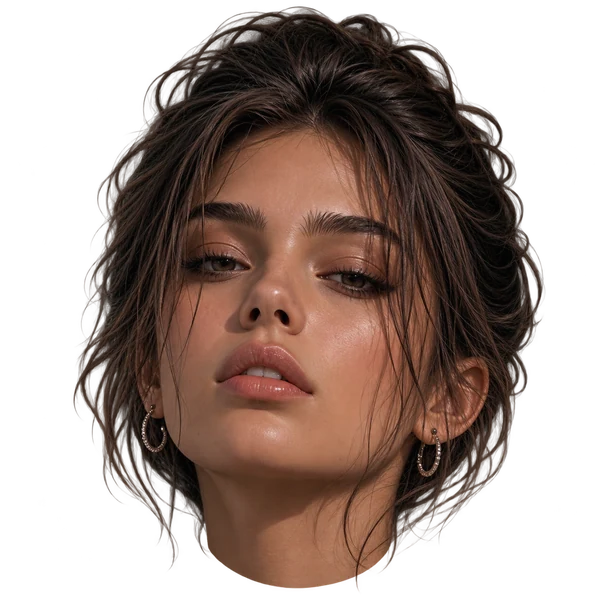
A close head portrait of a woman representing the AI assistant.
AI ASSISTANT
THE AI

A capable assistant,
with real limits.

AI can help research, organize information, compare ideas and create drafts. It works from patterns it has learned and the direction it is given; it has no lived experience, personal intention or independent taste.

AI can recognize and recombine patterns. Human creativity can question them, bring new meaning and imagine directions that do not yet exist. The human remains responsible for the choices, checks and final voice.

THE EDITORIAL CORE

Style deserves
a closer look.

Specific, considered fashion coverage that explains the choices behind a look and gives readers something useful to notice.

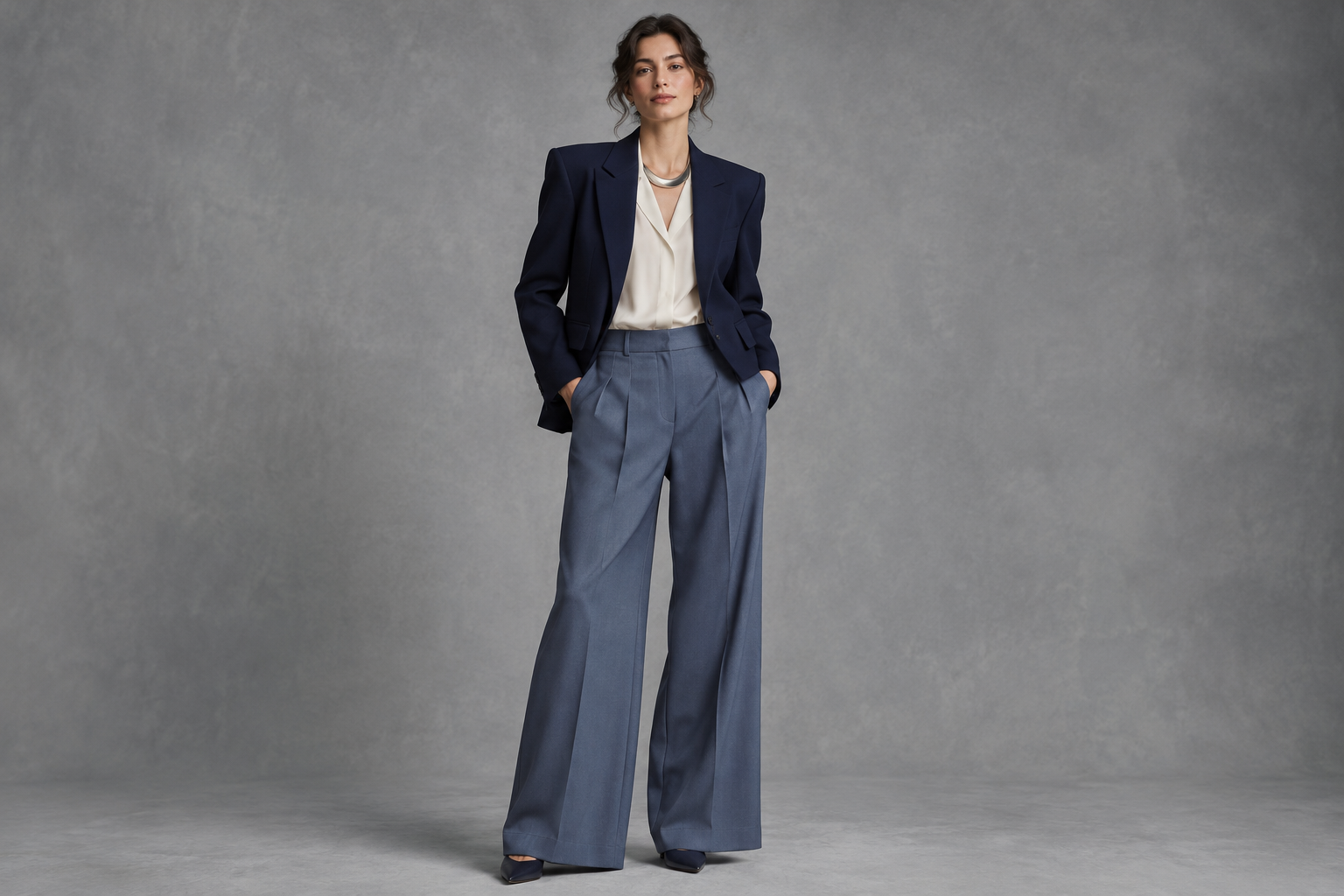
Illustrative outfit study: a model in a structured navy jacket, ivory blouse and slate-blue wide-leg trousers. STYLE VERDICT · VISUAL EXAMPLE
A look
in context.
AI-GENERATED VISUAL · SILHOUETTE · COLOUR · DETAIL

REVIEWS WITH REASONS

Thoughtful critique.
Clear criteria.

Reviews are independent of who created or wears a look. Personal sympathy, dislike or affiliation does not affect our view: we assess the clothing and styling, never a person’s body or worth. We examine silhouette, colour, texture, cut, construction and how the pieces work together.

When the footage is clear enough, AI-assisted zoom helps us inspect visible stitching, seams, cut lines and accessories in detail. We do not guess when an image is unclear; a person checks the observations and approves the final review. That is our fair-play standard.

Silhouette & cutColour & textureStitching & constructionAccessoriesOverall coherence

FEATURED COLLECTION REVIEW

Gucci's The Store Show,
Spring/Summer 2027.

Presented on 25 September 2026, the show placed menswear and womenswear inside a purpose-built Gucci store. The collection moves between tailored and equestrian references, tartan and leather, and a more sensual eveningwear finale.

The house says

Gucci describes this as Demna's first full expression of his vision for the house. The store setting previews a future retail aesthetic, while three characters—the Rebellious Aristocrat, the Snob and the Eccentric—shape the collection's point of view.

Style Verdict

The store concept gives the show a clear story, and the Horsebit details help connect very different looks. The contrast between sharp tailoring, equestrian styling and dramatic eveningwear creates variety; it also asks the viewer to follow several moods within one collection.

Based on Gucci's official collection notes. View the show on Gucci.com ↗

FASHION EDUCATION AROUND THE WORLD

Where fashion
is studied.

Universities, art academies and specialist fashion schools offer different routes into design, making, communication, business and research.

A starting map, not a ranking.
BELGIUM

Antwerp

The Fashion Department at the Royal Academy of Fine Arts Antwerp describes a design-led programme grounded in artistic practice.

✳

Course names, languages, admissions and fees can change. We will explain what each programme teaches and link to the school’s own current information—without turning this guide into a ranking.

THE PEOPLE BEHIND THE WORK

Many paths.
Distinct voices.

Profiles follow designers at different career stages, with attention to their work, their route into fashion and the collections that give context.

EMERGING DESIGNERS

New voices, close attention.

We follow new designers through their collections and the choices readers can see in the work.

Explore emerging designers ↓

Each profile is grounded in public sources and the work itself.

THE STYLE VERDICT READING ROOM

Start with a question.
Leave with a new lens.

Short, sourced reads across fashion history, education, collection reviews and the craft of making clothes. Open a story, follow its sources, then explore another subject.

12 articles

NEW COLLECTIONS · REVIEW METHOD4 MIN READ
A collection launches. What should a review look for?Read the story ↗

A new collection is an invitation to look closely, not a reason to predict what everyone will wear next.

Style Verdict reviews begin after a collection has been presented or released. We identify the designer, season and official source, then look at what is actually there: the recurring shapes, colour decisions, fabrics and details that hold the collection together—or pull it in different directions.

What we pay attention to

  • The idea: what the designer says they set out to explore, separated from our own reading of the clothes.
  • The clothes: proportion, construction, material and styling, using details visible in the collection.
  • The whole: whether individual looks form a clear point of view across the collection.
  • The context: what is documented, what is interpretation and what remains unknown.

We link to the original show or collection information and relevant sources. The review critiques design choices, not a model’s body. Collection coverage begins after a specific launch, with the release and its choices at the centre of the story.

Editorial draft · awaiting human review

FASHION HISTORY · 19TH CENTURY5 MIN READ
The crinoline: the hidden engineering behind a wide skirtRead the story ↗

A dramatic silhouette can begin underneath the dress—with a practical answer to weight, heat and movement.

Before the cage crinoline, wide mid-19th-century skirts often relied on layers of petticoats. Some were stiffened with a woven horsehair-and-linen fabric also called crinoline. These layers created volume, but they could also be heavy and warm.

In 1856, a flexible cage made from steel hoops became a widely adopted alternative. The hoops supported a broad skirt while reducing the need for numerous petticoats. Mechanised sewing helped manufacturers produce a wider variety of undergarments at lower cost. A change in silhouette was therefore tied to materials and manufacturing as well as taste.

Fashion changes how a body moves

The cage was lighter, but its size changed how wearers navigated doors, furniture and crowded rooms. The V&A also documents the serious fire risks created when large skirts in highly flammable fabrics came close to open flames. By the 1860s, fashionable volume shifted towards the back; narrower crinolines and half-crinolines helped lead into the bustle.

The useful lesson is not that one shape simply replaced another. Clothing is built through a relationship between the body, available technology, labour, social expectations and everyday space.

Sources & further reading

Victoria and Albert Museum · Corsets, crinolines and bustles ↗Fashion History Timeline · The Museum at FIT ↗

Editorial draft · awaiting human review

FASHION HISTORY · DRESS & CONTEXT3 MIN READ
What clothing tells us—and what it cannot tell us aloneRead the story ↗

Clothes are evidence of choices, materials and making. They are not a complete biography of the person who wore them.

A museum object can show us its material, construction and date. The Met’s British silk dress, for example, is catalogued as dating to about 1865. That is a useful starting point for studying silhouette and textile, but it cannot by itself tell us who wore it, how they felt, or what the dress meant in every setting.

To read dress carefully, compare the object with its records, images and wider social history. Ask what is directly documented, what is a reasonable interpretation and what remains unknown. Clothing can communicate status, work, community or personal taste—but meanings differ by place and time.

Sources & further reading

The Metropolitan Museum of Art · British silk dress, ca. 1865 ↗Fashion History Timeline, The Museum at FIT · About the Timeline ↗

Image: The Metropolitan Museum of Art · Public Domain

FASHION HISTORY · INDUSTRY & CRAFT4 MIN READ
New ways to make and sell clothesRead the story ↗

The sewing machine did not replace skilled making overnight. It changed the pace and scale of some kinds of work.

In the nineteenth century, sewing machines joined hand sewing, workshops and home dressmaking. The Museum at FIT describes how new production methods and the reorganisation of labour helped ready-to-wear grow. The Henry Ford’s Howe machine, made in the 1850s, gives us a tangible example of the technology entering this story.

Ready-made clothing expanded unevenly. Menswear and simpler items were easier to standardise; fitted womenswear took longer to develop as a ready-to-wear market. Department stores then offered space to display and sell a growing range of garments. Couture houses followed a different route, building a reputation around named designers, seasonal collections and made-to-measure work.

The lasting lesson: fashion changes when tools, labour, retail and ideas change together—not because one invention acts alone.

Sources & further reading

Fashion History Timeline, The Museum at FIT · Compartment Couture ↗The Henry Ford · Howe Sewing Machine, 1854–1857 ↗

Image: The Henry Ford collection

FASHION HISTORY · READY-TO-WEAR & CULTURE3 MIN READ
Fashion beyond the salonRead the story ↗

Fashion is shaped in ateliers, but also in shops, on streets, in music scenes and by independent labels.

Ready-to-wear made more clothing available through standardised production and retail. Later, youth cultures and streetwear developed their own visual languages and audiences. These changes did not erase couture; they widened the number of places where fashion could be created, seen and discussed.

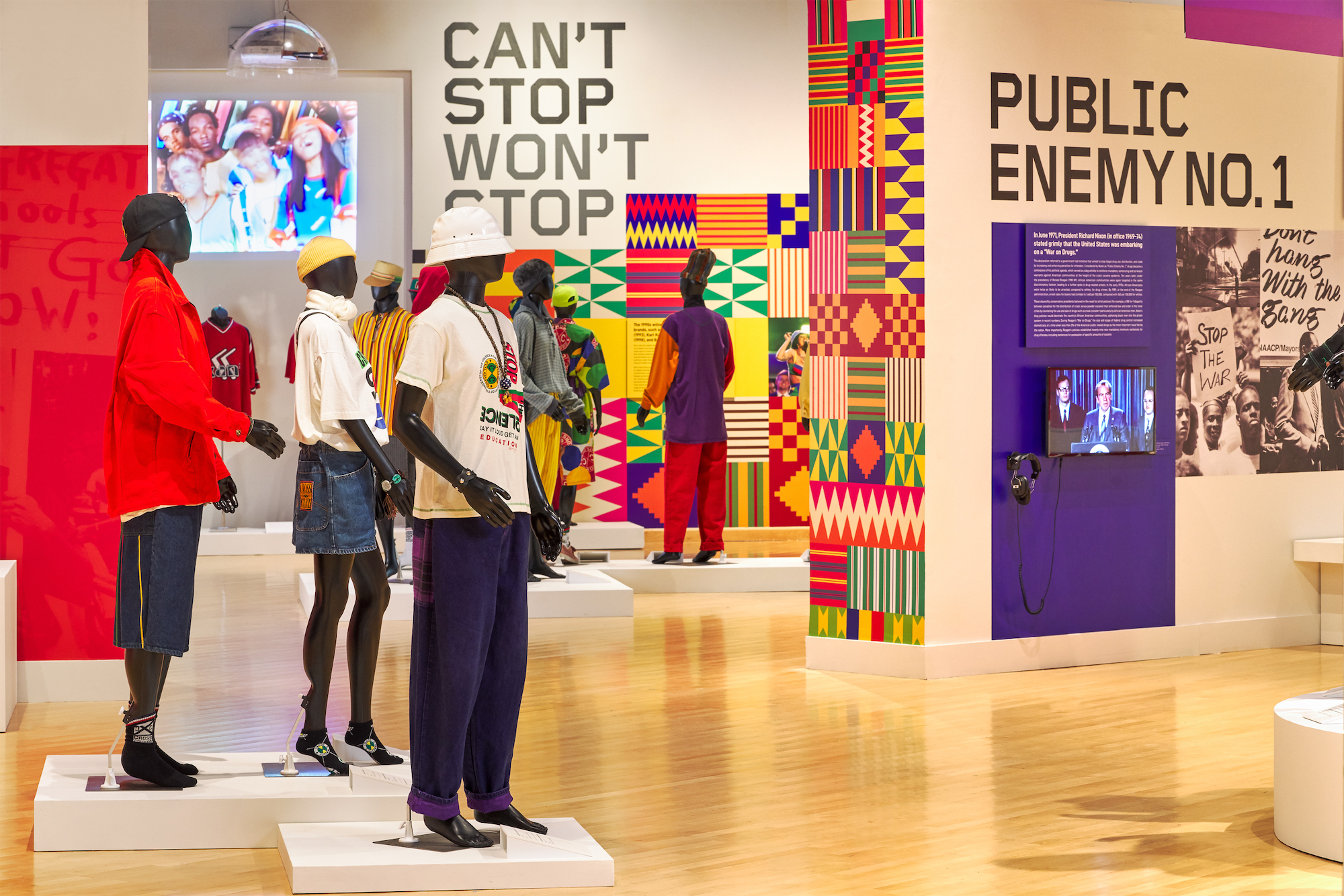
The California African American Museum’s exhibition on Cross Colours places a streetwear label within a wider story of Black fashion and culture. Its work shows why a review should look at design, community and context together, rather than treating the runway as the only source of fashion ideas.

Sources & further reading

California African American Museum · Cross Colours: Black Fashion in the 20th Century ↗Fashion History Timeline, The Museum at FIT · Ready-to-wear and department stores ↗

Image: California African American Museum exhibition installation

FASHION HISTORY · TEXTILES & GLOBAL TRADE4 MIN READ
Many influences, connected: the story of Indian chintzRead the story ↗

A printed cotton textile can tell a story of skilled making, international trade and changing consumer taste.

The Metropolitan Museum of Art’s collection includes an Indian cotton chintz made on the Coromandel Coast for export. Its pattern and production connect local textile knowledge with distant markets. Such objects help us see fashion history as a network of exchange, not a single line moving from one European capital outward.

Following a textile across borders also raises questions: whose techniques were valued, who controlled trade, and how did imported fabrics influence local production? The answers vary by period and region, so we start with the object record and keep the wider claims tied to documented research.

Sources & further reading

The Metropolitan Museum of Art · Indian cotton chintz, Coromandel Coast ↗The Metropolitan Museum of Art · Interwoven Globe: The Worldwide Textile Trade, 1500–1800 ↗

Image: The Metropolitan Museum of Art · Public Domain

CREATOR STORY · ESTABLISHED DESIGNER4 MIN READ
Vivienne Westwood: punk, history and a design language of her ownRead the story ↗

Westwood’s story is often compressed into one word—punk. Her work kept changing long after the first shock of the King’s Road years.

Westwood did not follow a conventional fashion-school route. The V&A records that she trained as a primary-school teacher before meeting Malcolm McLaren and developing a shared interest in dressmaking and youth culture. Their early shop became a place where clothes challenged the look and rules of the moment.

But Westwood’s later work did not simply repeat punk. She built a personal vocabulary that set provocation beside careful references to historical dress. The V&A’s collection story follows that movement from graphic T-shirts and distressed garments to formal gowns, showing how a designer can keep questioning fashion while learning from its past.

Our close reading follows the choices inside that contrast: what changes in silhouette, construction and styling, and what remains recognisably Westwood. The point is not to turn a long career into a legend, but to look at the clothes and the sources that help explain them.

Sources & further reading

Victoria and Albert Museum · Vivienne Westwood: punk, new romantic and beyond ↗Victoria and Albert Museum · Vivienne Westwood: a taste for the past ↗
CREATOR STORY · EMERGING DESIGNER4 MIN READ
Julie Kegels: a young fashion house with a point of viewRead the story ↗

A fashion-school education, experience inside established houses and a growing collection record give us more than a name to follow: they give us work to examine.

Belgian designer Julie Kegels graduated from Antwerp’s Royal Academy of Fine Arts and later trained at Alaïa. She launched her own womenswear label in 2024; in 2026 she won the LVMH Prize for Young Fashion Designers. Those milestones tell us where her career stands, but the clothes still have to carry the story.

The LVMH profile describes sculptural silhouettes, artisanal techniques and sustainable materials, with ideas drawn from personal memory, domestic spaces and modern life. FHCM lists her Spring/Summer 2027 and Fall/Winter 2026–27 womenswear collections, giving readers a current body of work to compare rather than relying on a short biography.

Our profile asks how her themes take shape in garments: where structure meets movement, how a collection holds together, and what choices feel distinctive. A prize is useful context; it is not a substitute for looking closely.

Sources & further reading

LVMH Prize · Julie Kegels ↗FHCM · Julie Kegels and her collections ↗FHCM · Spring/Summer 2027 lookbook ↗
CREATOR STORY · EDUCATION & EXPERIENCE6 MIN READ
Four routes into fashion: Guccio Gucci, Valentino Garavani, Gianni Versace and Giorgio ArmaniRead the story ↗

There is no single route into fashion. These three Italian names show different combinations of observation, formal study, family craft and work experience.

Guccio Gucci: learning from travel and service

Guccio Gucci’s official house history centres on experience rather than fashion-school training. As a young man he worked as a porter at London’s Savoy, where he observed luxury travel and luggage. He returned to Florence and opened a luggage boutique in 1921. The source does not document a fashion-school education, so we describe the path we can verify: observation, business and the craft of making goods for travel.

Valentino Garavani: formal couture training

Valentino Garavani moved to Paris as a teenager to study at the École de la Chambre Syndicale de la Couture. He then began his professional career at Maison Jean Dessès. His path is a clear example of specialist fashion education followed by apprenticeship inside a couture house.

Gianni Versace: architecture beside the family workshop

Versace studied architecture in Calabria from 1964 to 1967, then worked in his mother’s dressmaking studio from 1968 to 1972. His route combined a formal education outside fashion with close, practical exposure to garment making. That distinction matters: studying architecture is not the same as earning a fashion degree, but it formed part of his preparation and visual education.

Giorgio Armani: medicine, retail and menswear

Armani began studying medicine in Milan before leaving university and completing military service. He entered fashion through retail work at La Rinascente, then developed experience in menswear design before founding his own company in 1975. His story shows how observation of clothes in a store and learning inside the industry can become a design education of their own.

These biographies are not a contest between degrees and practice. They let us ask a better question: what did each creator learn, where did they learn it, and how can we see that knowledge in the clothes and objects they made?

Sources & further reading

Gucci · Official history of the House and Guccio Gucci ↗Valentino · Maison history and couture-school training ↗FHCM · Valentino Garavani’s education and career ↗National Gallery of Victoria · Gianni Versace and his education and early work ↗Vogue · Giorgio Armani biography and collections ↗Giorgio Armani · The history and identity of the fashion house ↗
FASHION STUDY · LONDON & NEW YORK5 MIN READ
A fashion degree is more than learning to sketchRead the story ↗

Fashion education can include making, research, material knowledge, communication and the history surrounding what we wear.

There is no single model for a fashion course. At Central Saint Martins in London, the University of the Arts London lists pathways spanning knit, print, menswear, womenswear, fashion communication and histories and theories. London College of Fashion also offers practical short courses covering areas such as machine sewing, seams, hems and pattern cutting.

In New York, Parsons’ BFA curriculum brings together design studios, visual communication, material research and fashion history. FIT’s Fashion Design curriculum includes subjects such as draping, materials and construction, patternmaking, textile principles and digital design.

Choose a course by the work you want to do

Course titles alone do not tell the whole story. Compare the actual curriculum, facilities, assessment, portfolio expectations, language of instruction and current fees. A design degree, a fashion communication course and a focused sewing class may all be valuable, but they prepare students for different kinds of work.

This is a starting map, not a ranking. Programme names, entry requirements and costs change, so check each institution’s current information before making a decision.

Official course information

Central Saint Martins · Fashion programme ↗London College of Fashion · Courses ↗Parsons · BFA Fashion Design curriculum ↗FIT · Fashion Design AAS curriculum ↗

Editorial draft · awaiting human review

SEWING · MACHINE BASICS4 MIN READ
Three machine stitches, three different jobsRead the story ↗

A straight seam, a secure finish and a zigzag each solve a different problem. Practise on scraps before sewing a garment.

Straight stitch: the everyday starting point for joining woven fabric. Stitch length, needle and thread should suit the material; test a sample first and check that the seam lies flat.

Backstitch or a machine lock stitch: a way to secure seam ends so they are less likely to unravel. Machines differ: some use a reverse lever, while others offer a built-in lock-stitch setting. Check the manual for your model and avoid stitching repeatedly in one place on delicate fabric.

Zigzag: the needle moves from side to side. Depending on width, length, fabric and machine, it can be used decoratively or for techniques such as appliqué and edge finishing. Stretch fabrics may need a stitch that can flex; test the result before committing to a long seam.

A two-minute practice routine

On a fabric offcut, sew a straight line, secure the end using your machine’s recommended method, then test a zigzag. Look at both sides of the sample. If stitches bunch, skip or pull the cloth, rethread and consult the machine guide rather than forcing the fabric.

These are starting points, not a substitute for the instructions supplied with a particular machine or for testing the fabric you plan to use.

Sources & further learning

London College of Fashion · Introduction to Professional Sewing Skills ↗Singer sewing machine manual · straight and zigzag stitch basics ↗

Editorial draft · awaiting human review · short demonstration clip to follow
PATTERN & CUTTING · FABRIC GRAIN4 MIN READ
Before the scissors: read the grainlineRead the story ↗

The grainline arrow on a pattern is a construction instruction. It helps the garment hang the way its designer intended.

In a woven fabric, the lengthwise threads run parallel to the selvage. The crosswise threads run from selvage to selvage. Patterns usually mark a grainline arrow that should be laid parallel to the selvage unless the instructions say otherwise.

The diagonal direction across those two thread systems is the bias. True bias sits at about 45 degrees and has more give than the straight grain. Cutting on the bias can create a softer drape, but the fabric can stretch or shift while it is handled, so the edge and hem may need extra care.

Check before cutting

  • Lay the fabric flat and smooth it without pulling.
  • Find the selvage and align the pattern’s grainline with it.
  • Check that the fabric is not twisted or visibly off-grain.
  • Follow the pattern layout for nap, print direction, folds and mirrored pieces.

If a woven fabric’s cut edge is not square, sewing educators describe ways to find the crosswise grain—such as pulling a thread and cutting along the resulting line. Try a small test first; delicate, knitted, coated or unusual fabrics may need different handling.

Sources & further reading

Sewing.org · Preparing to sew: grain and bias ↗Sewing.org · Straightening the fabric grain ↗

Editorial draft · awaiting human review · cutting demonstration clip to follow
These first stories are drafts for human editorial review. New collection reviews will be added after a specific collection launches, with its original source linked.

FOLLOW A QUESTION

Choose a way in.

Start with what caught your eye, then follow the connections.

SEWING & GARMENT CONSTRUCTION

Learn how clothes
are made.

Explore stitch types, where each seam is used, how fabric is cut and how construction choices shape a garment. Clear explanations and short demonstrations will make each technique easier to understand.

STITCHES & SEAMS✳

Every stitch
has a purpose.

Learn common hand and machine stitches, how seams differ, and where each technique is used in garment construction.

LEARNING GUIDE IN DEVELOPMENT
CUTTING & PATTERNS⌁

From fabric
to first cut.

Understand grainline, pattern markings, layout and cutting methods, and how they affect fit and fabric use.

PRACTICAL GUIDES IN DEVELOPMENT
SHORT VIDEO LESSONS▶

See each technique
step by step.

Brief demonstrations of stitches, seams, hems, darts, closures and other methods, with notes on when and why to use them.

VIDEO LESSONS IN DEVELOPMENT

The guides and videos will be added as they are prepared and checked. Learning content will be free; reader support is always voluntary.

FOLLOW THE WORK · SUPPORT IT VOLUNTARILY

Stay connected.
Help it grow.

Follow Style Verdict Magazine on social media for reviews, new collection coverage and fashion learning.

OPTIONAL READER SUPPORT

Keep fashion learning open.

All reading and learning resources are free. Voluntary contributions can help cover the domain, hosting and future development of the platform.

Support Style Verdict ↗

Voluntary contribution · Choose your amount securely with Stripe.

Contributions are voluntary and support Style Verdict Magazine’s domain, hosting and future development. Payments go to the person behind the project. Style Verdict is not a charity; no product or reward is promised in exchange.

OUR EDITORIAL PROMISE

Open-minded.
Well-grounded.

Style Verdict Magazine is built around curiosity, transparent judgment and useful information.

Facts with their sources

We check factual claims and make the difference between evidence and opinion visible.

Critique the choices

Our reviews discuss clothes and styling, with respect for the people wearing them.

Be clear about AI

When AI helps create or shape material, we will say so. A human remains responsible for the final work.

Keep it accessible

Reading and practical resources are free. Reader support, when available, is always optional.

STYLE VERDICT MAGAZINE

Fashion has more
to tell us.

Bring a question, a creator to discover, or a collection worth a closer look.